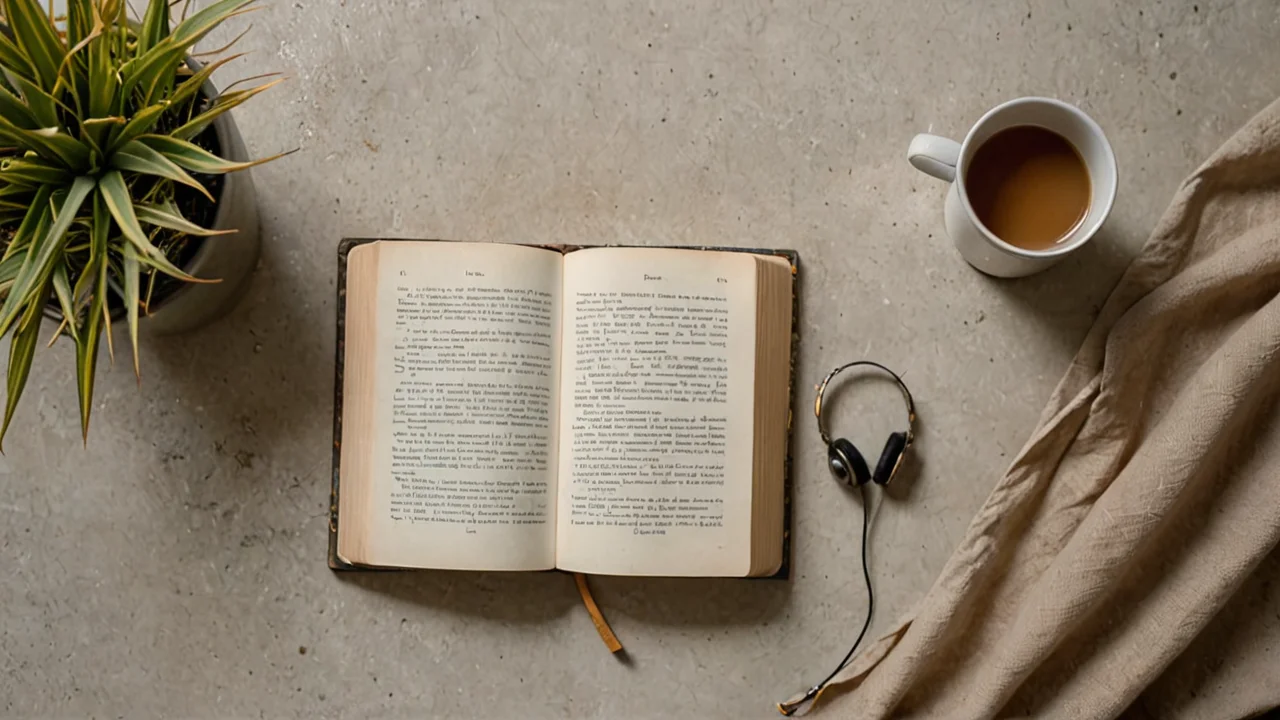
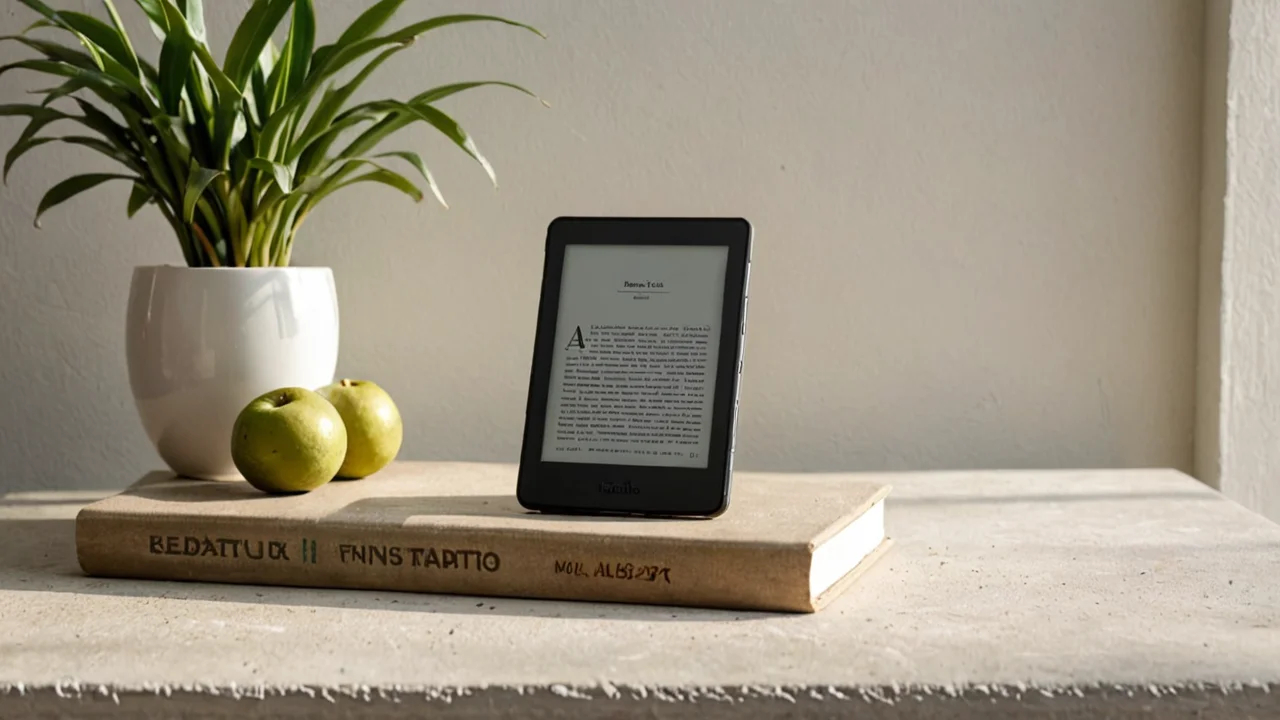
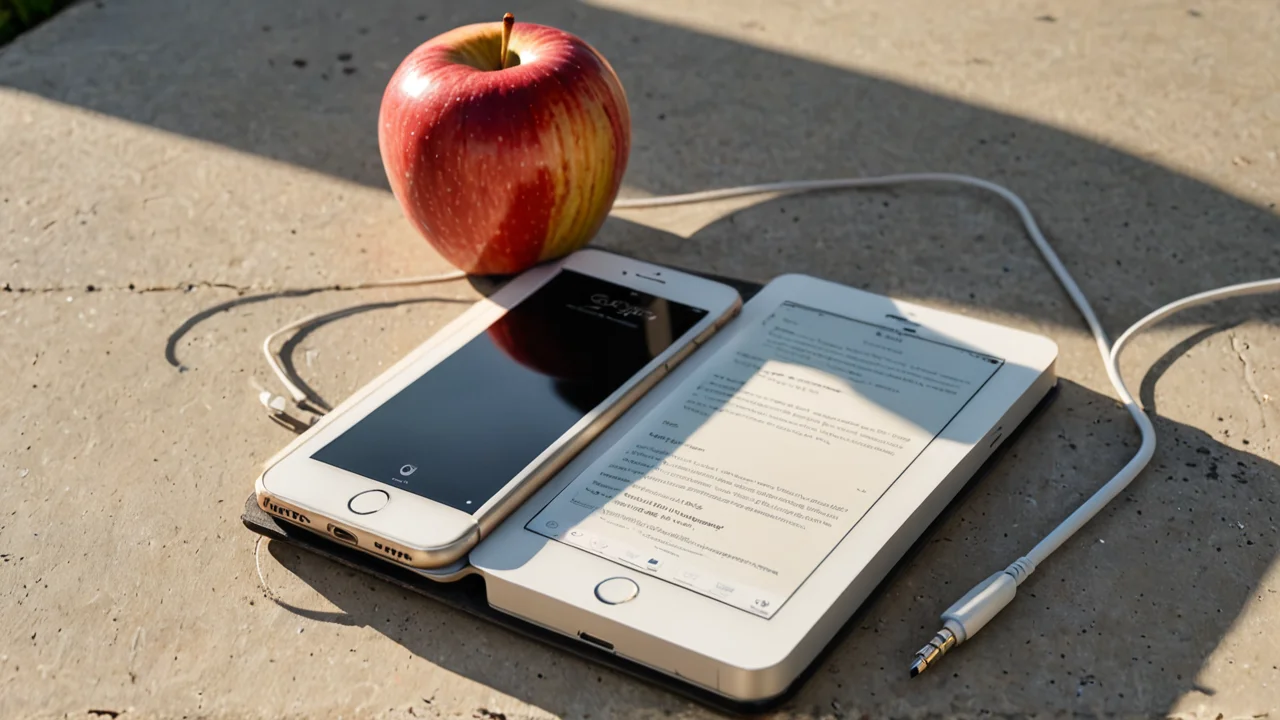
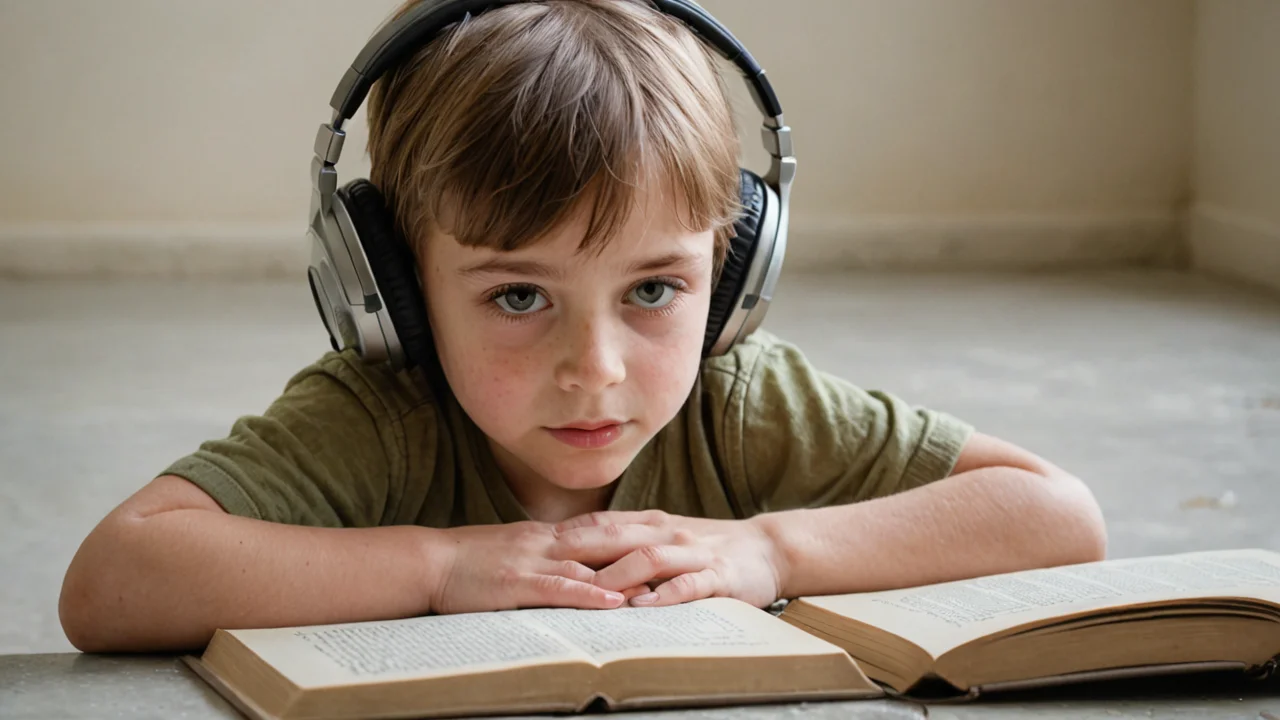
The main decision with books is format, and it is made per title, not once for life. Print is best for anything you need to hold in memory or flip back through; e-readers are best for volume, one-handed reading and cheap instant acquisition; audiobooks are best for time that is already spent — commuting, cooking, walking the dog — but only if you can find enough of that time to justify the cost. Most heavy readers end up using all three, and the money question is not "which one" but "how do I stop paying three subscriptions for four books a month."
How audiobooks get paid for now, and why the clock matters
Audiobooks used to be either bought outright at high prices or rented through a single subscription credit. The newer model is bundled listening time: Spotify includes 15 hours of audiobook listening time per month from its audiobooks subscriber catalog with select Premium plans. That allowance is not a library card. It is a countdown. When the hours run out you either wait for the next billing period or buy top-up hours, and top-up hours are valid for 12 months from the purchase date — a much longer leash than the monthly allowance itself.
The monthly hours are the fragile part. Unused audiobook listening time expires at the end of each monthly billing period and cannot be carried over or refunded. So the model rewards steady, frequent listening and punishes the reader who saves up for a long flight. If you listen in bursts, you are effectively paying for hours you will never use, and the book you wanted may still cost you a top-up in the month you actually get to it.
Who gets the hours is narrower than who pays for Premium. Premium Individual, Premium Family (plan manager only) and Premium Duo (plan manager only) include monthly audiobook listening time; Premium Student does not. The plan-manager detail catches people out: on a Family plan, the other members do not each get their own allowance. One allowance sits with the manager. A household of four readers on Family is not four times better off than one reader on Individual.
Fifteen hours is roughly a long novel, or two short ones, or a big chunk of a history. That sounds generous until you hit a book you cannot speed up — dense nonfiction, anything with tables and names, a narrator you have to concentrate on. At normal speed a long biography can eat most of a month's allowance in a week. The honest trade-off: bundled hours are cheap per month and terrible per book if you are picky, and they work best for people who read fast, listen daily, and rarely abandon a title halfway. If you listen to two books a year, buy them outright instead; the per-book cost is higher but nothing expires.
One practical check before you start anything long: confirm the title is in the subscriber catalog rather than sold separately, and note that Audiobooks+ exists as a paid monthly add-on for eligible Premium plans, providing additional hours beyond the base allowance, which reset each month. If you routinely top up, the add-on is usually the cheaper route — but it is another recurring charge, and it resets, so it does not solve the burst-listener problem either.
Print, e-reader or audio: the choice is about the book, not the reader
Match the format to what the book demands of you. Print wins for anything you will annotate, cross-reference, or read slowly — criticism, technical books, cookbooks, poetry, family history. A physical book also has a spatial memory attached to it: you remember that a passage was on the left-hand page near the bottom, and that cue helps you find it again. E-readers lose that but win on everything else about access: instant purchase at any hour, hundreds of titles in one hand, adjustable type for tired eyes, and no shelf space.
Audiobooks are the right choice for books whose difficulty lives in their length rather than their density. Long narrative history, memoir, popular science, series fiction — these survive being heard. They fall apart when the information is structural: anything with figures, diagrams, footnotes or arguments that build on the previous paragraph. You notice it about twenty minutes in, when you realise you have been hearing words without holding any of them. That is not a failure of attention; it is the wrong format for that book, and switching is cheaper than persisting.
There is a cost to each that people underrate. Print costs money and shelf space and does not travel well. E-readers tie you to a store, and the DRM means the books you "bought" may not move with you to another device. Audio costs the most per hour if you buy à la carte, and it is the format most vulnerable to a bad narrator — a voice you dislike will ruin a book you would have loved on the page. Sample before committing; most stores let you hear a few minutes, which is enough to catch the two common failures, a monotone and a performer doing accents badly.
Reading in sequence: how to actually finish more books
The single biggest lever on how much you read is not speed and not discipline — it is having the next book already chosen before the current one ends. Readers who finish books have a queue; readers who stall are deciding what to read next while still inside something else, and the gap between books stretches into weeks. Keep two or three titles lined up, in different formats, so that a stalled print book on the nightstand does not become a stalled reading month.
Run formats in parallel rather than in competition. A print or e-book for the sofa and a single audiobook for the commute is a workable pair, because the two never compete for the same minutes. What does not work is starting three books in the same format at once; one of them quietly dies and you spend a month feeling vaguely guilty about it. If you abandon a book, abandon it deliberately — a hundred pages is a fair trial for most fiction — and move to the queue. The reader who finishes forty books a year is not more virtuous than the one who finishes twelve; they are just less likely to be stuck.
Nonfiction rewards a different sequence. Read the introduction and the final chapter first, then decide whether the middle deserves your time. Many argument-driven books can be read this way in an afternoon without losing anything, and the ones that cannot will tell you so immediately. For anything you intend to use — a craft book, a history you will cite — read it in print or on a device where you can highlight, and write the three sentences you want to remember somewhere you will see them again. Highlighting you never revisit is just a slower form of reading.
E-readers and e-books: what the device actually changes
An e-reader's real advantage is friction removal, and friction is what stops reading. Buying a book at eleven at night, enlarging the type when your eyes are tired, carrying a dozen options on a trip, reading one-handed on a crowded train — none of these are about the screen. They are about the number of steps between wanting to read and reading. If you read mostly at home in good light, a tablet or phone app does the same job and you already own it.
What you give up is ownership in any durable sense. E-books are licensed, tied to an account, and not reliably transferable between stores. If a title matters to you — a reference you will return to, a book you want to lend, an edition you chose on purpose — buy it in print. That is not nostalgia; it is the only format where the copy is unambiguously yours.
Two device habits are worth adopting. Turn off the front light or drop it low for night reading, because the bright default is what makes people blame the screen for bad sleep. And use the library integration if your device supports it: borrowed e-books expire on their own, which removes the main reason people avoid libraries — the return trip. The limitation is availability: popular new titles have holds, and the catalogue varies by library system, so check what yours actually offers before assuming borrowing will cover your reading.
Libraries, used books and the cost of reading a lot
For most readers, the cheapest large improvement is a library card, not a subscription. It covers print, e-books and often audiobooks, and it costs nothing per title. The trade-offs are real: you do not choose when a new release arrives, the audiobook catalogue is thinner than the paid ones, and you cannot keep what you borrow. But if you read more than a book or two a month, borrowing most of it and buying only the books you will reread is the arrangement that keeps the habit affordable.
Used books solve a different problem — the ones you want to own cheaply and mark up. For anything out of print, a used copy is often the only route. The costs are time and condition: you are waiting on shipping, and "good" means different things to different sellers. It is a poor fit for a book you need this week and a good fit for a project you are building slowly.
Paid subscriptions make sense in a narrow band: you read several books a month, you want new releases immediately, and you listen to enough audio to use the hours. Outside that band they are the most expensive way to read, because the monthly charge runs whether or not you open anything. Audit once a year — count the books you actually finished from each service and divide the annual cost by that number. The result is usually clarifying, and cancelling one service for a season costs you nothing but a little waiting.
Reading well: attention, notes and knowing when to stop
Comprehension comes from pace, not effort. Reading a difficult book slowly, in short sessions, with a pen, beats reading it quickly and hoping. If a paragraph does not land, reread it once; if it still does not, the problem is usually upstream — you missed a definition or an earlier claim — so go back a page rather than forward. This is the single most useful reading skill and almost nobody is taught it.
Take notes you will actually reopen. One page per book, at the end: what it argued, what you disagreed with, the two or three things worth carrying forward. That page is worth more than a hundred highlights, because you will read it again and you will not reread the highlights. For fiction, notes are mostly unnecessary; the book does its own work, and the memory of how it felt is the point.
Finally, stopping is a skill. A book you are not enjoying at a hundred pages is unlikely to become the book you wanted, and the cost of finishing it is the book you did not start. Abandon deliberately, note why in a line, and move on. The readers who get through the most are not the fastest; they are the ones who quit cleanly and always have something waiting.
Sharing an audiobook allowance inside a household
On Spotify, the monthly audiobook hours belong to one account, not to everyone on the plan. Premium Family and Premium Duo include monthly audiobook listening time for the plan manager only, and Premium Student includes none at all. So a two-adult household on Duo has one 15-hour allowance between them, and a Family plan with four readers still has one. Decide who is the listener before you split the bill, because the other members will be paying a share of a benefit they cannot touch.
The workaround is unglamorous: the manager runs the account that does the listening, and everyone else uses the library for audio or buys titles outright. That costs the household a second audio source, but it avoids the far more expensive mistake of assuming each profile carries its own hours and discovering otherwise three chapters into a long book.
When the monthly hours run out mid-book
You have two options and they behave differently. Top-up hours are valid for 12 months from the purchase date, so they survive across billing periods; Audiobooks+ is a monthly add-on whose extra hours reset each month, which means unused hours from it are lost the same way the base allowance is. For a reader who finishes a book in a burst and then goes quiet for weeks, top-ups are the better fit. For someone who listens daily and simply needs a bigger ceiling, the add-on costs less per month.
The trap is buying a top-up in a panic at the end of a billing period and then not returning to the book for a season. The hours will still be there, but so will the subscription charge that keeps accruing. Check the catalog first — if the title is sold separately rather than included, no amount of top-up hours will unlock it.